
Salary Calculator
The Salary Calculator converts salary amounts into equivalent values based on different pay frequencies, such as biweekly, semi-monthly, or monthly. The results include both unadjusted amounts and adjusted figures that factor in annual vacation days and holidays.
Result
| Unadjusted | Holidays & vacation adjusted |
|---|
This salary calculator assumes hourly and daily pay values are unadjusted, while all other pay frequencies include holiday and vacation adjustments. Calculations are based on 52 working weeks or 260 workdays per year. Unadjusted results exclude paid holidays and vacation days.
Related : Inflation Calculator | Retirement Calculator
A salary or wage is the financial compensation an employer provides to a worker in exchange for the time, skills, and effort contributed to their job. This payment may be calculated on an hourly, daily, weekly, monthly, or annual basis, depending on the nature of the work and the employment agreement. Salaries and wages play a crucial role in supporting workers’ livelihoods and reflecting the value of their labor.
To protect workers from unfair pay practices, many countries have established minimum wage laws, which are enforced by central or local governments. These regulations help ensure that employees receive a basic standard of compensation sufficient to meet living expenses. In addition to government regulations, labor unions may be formed to represent workers’ interests. These unions often negotiate wages, benefits, and working conditions, helping to set fair standards within specific companies,professions, or entire industries.
Salary calculator
A Salary Calculator is a useful financial tool that helps individuals convert their income between different pay frequencies, such as hourly, daily, weekly, monthly, or annual salaries. It allows users to understand how much they earn over various time periods based on their pay structure. Many salary calculators also account for factors like working hours, holidays, and vacation days to provide both unadjusted and adjusted income estimates.
Salary calculators are commonly used by employees, freelancers, and job seekers to compare job offers, plan budgets, and estimate earnings accurately. By offering quick and clear salary breakdowns, a salary calculator simplifies income analysis and supports better financial planning.
Salary
A salary is typically paid to an employee on a consistent and regular schedule, such as weekly, biweekly, semi-monthly, or monthly. Unlike hourly wages, a salary generally remains fixed and does not change based on the quantity or quality of work completed during a given pay period. Instead, it reflects an agreed-upon level of responsibility, experience, and job role rather than the number of hours worked.
In most cases, an employee’s salary is defined as an annual amount and is clearly outlined in the employment contract at the time of hiring. This agreement specifies the total compensation an employee can expect to earn over a year, along with payment frequency and other employment terms. Beyond base pay, a salary may also include additional forms of compensation, such as bonuses, commissions, benefits, or non-cash perks like health insurance, retirement plans, housing allowances, company vehicles, or other goods and services. These additional benefits can significantly enhance the overall value of a compensation package.
Wage
There are several important technical differences between the terms “wage” and “salary,” and understanding these distinctions is essential for both employees and employers. A salary is generally associated with a fixed annual compensation that is agreed upon in an employment contract. It represents a predetermined amount of pay that does not fluctuate based on the number of hours worked or the quantity of work performed. In contrast, a wage is typically tied directly to the number of hours an employee works and is calculated by multiplying the hourly rate by the total hours worked. This fundamental difference affects not only how employees are paid but also how labor regulations apply to them.
Wage-earners are often classified as non-exempt employees, which means they are covered by government regulations regarding overtime and fair labor standards. In the United States, these protections are outlined under the Fair Labor Standards Act (FLSA). Non-exempt employees are entitled to additional pay for overtime, commonly calculated at 1.5 times their normal rate for any hours worked beyond 40 in a workweek. In some cases, particularly when working on holidays, overtime pay can even double or, in rare instances, triple the regular rate. Salaried employees, on the other hand, are usually classified as exempt, which means they generally do not receive extra pay for working additional hours beyond the standard 40-hour workweek or for working on holidays.
The distinction between wages and salaries also has implications for overall compensation levels and societal perception. Wage-earners, such as baristas, retail workers, or service staff, often earn less than salaried professionals who work in office or corporate settings. Salaried positions are often associated with higher responsibility, stability, and status, reflecting not only financial compensation but also perceived professional standing.
Despite these differences, both wages and salaries are typically paid on a recurring schedule, which may include weekly, bi-weekly, semi-monthly, or monthly payments. This is where tools like a Salary Calculator become valuable. Although traditionally associated with salaried employees, such calculators can also be used by wage-earners to convert their hourly pay into equivalent weekly, monthly, or annual amounts. By providing both unadjusted and adjusted calculations including considerations for holidays, vacation days, and overtime these tools offer a comprehensive way for workers to understand, plan, and compare their total compensation.
In essence, while wages and salaries differ in structure, legal treatment, and social perception, both forms of compensation are essential for calculating earnings, planning finances, and making informed career decisions. Salary calculators help bridge the gap between these payment structures, giving workers at all levels a clear picture of their income potential.
Miscellaneous Employee Benefits
While salaries and wages are the most visible forms of compensation, not all financial benefits from employment are delivered in the form of a paycheck. Many employees, particularly those in salaried positions, receive a variety of additional benefits that contribute significantly to their overall compensation package. Wage-earners may also receive some of these benefits, though typically to a lesser extent. These benefits can include employer-contributed healthcare insurance, contributions to payroll taxes such as Social Security and Medicare in the U.S., which help fund retirement, disability, and other social protections, as well as unemployment insurance. Other common perks include employer-contributed retirement plans like 401(k)s, paid holidays and vacation days, performance-based bonuses, company discounts, educational assistance, and other workplace incentives.
Part-time employees are often less likely to receive these benefits, which can create a significant difference in total compensation between full-time and part-time roles. Even for full-time employees, the value of these benefits can sometimes exceed a substantial portion of their base salary, making them a critical factor to consider when evaluating job offers. For example, employer contributions to health insurance and retirement plans can represent thousands of dollars in annual value, while paid time off provides both financial and personal well-being advantages.
Because these benefits carry real monetary and lifestyle value, it is essential for job seekers and employees to consider the total compensation package, rather than focusing solely on the base wage or salary. Comparing positions based only on paycheck amounts can be misleading, as jobs with slightly lower base pay may offer extensive benefits that improve overall financial security, work-life balance, and long-term financial planning. By taking both salary and supplementary benefits into account, individuals can make more informed decisions when evaluating career opportunities and negotiating employment terms.
Self-employed Contractors
Self-employed contractors, including freelancers and independent business owners who operate as sole proprietors, typically set their own rates for the goods and services they provide. These rates can vary widely and are often calculated on an hourly, daily, weekly, or project basis, depending on the nature of the work and the agreement with the client. Unlike full-time employees, contractors usually do not receive traditional employment benefits, such as paid time off, employer-subsidized health insurance, retirement contributions, or other monetary perks commonly associated with salaried positions.
Because contractors are responsible for covering their own taxes, insurance, retirement savings, and periods of unpaid time off, their rates are generally expected to be higher than the salaries of comparable full-time roles to compensate for the lack of benefits and employment stability. In many industries, this premium can be substantial, reflecting the added risks and responsibilities that come with self-employment.
However, in practice, contractor rates are influenced by a variety of factors, including market demand, competition, client budgets, industry standards, and individual negotiation skills. As a result, it is not uncommon for some contractors to accept lower pay than might be expected for similar full-time positions, especially when starting out, building a client base, or seeking flexible work arrangements. Despite these variations, self-employment offers unique advantages, such as autonomy, flexible schedules, and the ability to pursue multiple clients or projects, which often appeal to those willing to trade traditional benefits for freedom and independence.
How Unadjusted and Adjusted Salaries are calculated?
To illustrate how salary calculations work, consider an example using an hourly rate of $30, an average of 8 working hours per day, and a total of 260 working days per year (calculated as 52 weeks multiplied by 5 workdays per week). The annual unadjusted salary can be calculated using the following formula:
In this calculation, the hourly rate is multiplied by the total number of hours worked in a single day and then by the total number of working days in a year. This provides the unadjusted annual salary, which does not account for holidays or vacation days.
To determine the adjusted annual salary, it is necessary to subtract non-working days, such as paid holidays and vacation days, from the total number of working days. For example, assuming 10 holidays and 15 vacation days per year, the adjusted calculation would be:
This adjustment ensures that the calculation reflects actual days worked and provides a more realistic view of annual earnings.
Once the annual salary adjusted or unadjusted is calculated, it can be broken down into other pay periods, including bi-weekly, semi-monthly, monthly, and quarterly amounts. It is important to understand the distinction between these terms. Bi-weekly pay occurs every two weeks, resulting in 26 pay periods per year, while semi-monthly pay occurs twice per month, typically on the 15th and last day of the month, resulting in 24 pay periods annually. Accurate conversion between these frequencies ensures consistency in budgeting and financial planning.
By understanding these calculations and adjustments, individuals can better estimate their total earnings, plan for time off, and make informed decisions when comparing salary or hourly-based compensation.
Different Pay Frequencies
The calculator offers options to select from several commonly used salary periods, though actual pay frequencies can vary depending on the country, state, industry, or company. In the U.S., federal law does not mandate a specific pay frequency, aside from requiring that employees be paid in a regular and predictable manner. Consistent, timely payments provide employees with stability and flexibility. At the state level, most states set minimum pay frequency requirements, with the exceptions of Alabama, Florida, and South Carolina. For detailed information, refer to your state’s regulations on pay frequency.
The most common pay periods include monthly, semi-monthly (twice a month), bi-weekly (every two weeks), weekly, and daily. These are summarized in the chart below.
| Pay Period | Description |
|---|---|
| Daily | Pays every day, usually at the end of the day. Some short-term contractors are paid this way. |
| Weekly | Pays once each week, usually on Fridays. Relatively costly for employers with 52 weeks a year, resulting in higher payroll processing costs, which is the main reason why it is less common than Bi-Weekly or Semi-Monthly. |
| Bi-Weekly | Pays every two weeks, which comes out to 26 times a year for most years. |
| Semi-Monthly | Pays twice each month, usually on the 15th and the last day of the month. Although common, it will result in inconsistent pay dates due to differences in dates from month to month. |
| Monthly | Pays once per month. Usually the most cost-friendly option for employers. Not very common in the U.S. |
U.S. Salary Information
In the U.S., salaried employees are often referred to as exempt employees under the Fair Labor Standards Act (FLSA). Being exempt means these employees are not subject to minimum wage or overtime rules and do not receive certain protections that apply to non-exempt employees. To qualify as exempt, an employee must earn at least $684 per week (or $35,568 per year), receive a salary, and perform duties as defined by the FLSA. While some occupations such as many agricultural workers and truck drivers are specifically excluded from FLSA regulations, most employees fall into either the exempt or non-exempt category.
The federal minimum wage is currently $7.25 per hour, but individual states can set higher rates. For example, the District of Columbia (DC) has the highest minimum wage at $17.95 per hour, which applies to workers there instead of the federal rate. Conversely, Georgia’s minimum wage is $5.15 per hour, but the federal rate of $7.25 still applies because it is higher.
Factors that Influence Salary (and Wage) in the U.S. (Most Statistics are from the U.S. Bureau of Labor in 2025)
In the third quarter of 2025, the average weekly salary for a full-time U.S. employee was $1,214, which equates to about $63,128 per year. This figure represents an average, and actual salaries vary widely depending on several factors. The information below provides general trends and should not be assumed to apply to everyone, particularly regarding race, ethnicity, and gender.
Age – Salaries generally increase with experience, peaking between ages 35 and 65. Men aged 35–44 earned the most, with annual earnings of $78,208, while women in the same age range earned $63,752.
Education – Higher educational attainment is associated with higher pay. Workers 25 and older without a high school diploma earned a median of $40,404, high school graduates earned $50,960, and those with a bachelor’s degree or higher earned $90,844 annually on average.
Experience – Greater career experience, specialized skills, or higher perceived ability typically lead to higher salaries.
Race and Ethnicity – Median salaries vary across racial and ethnic groups. Black men earned $53,664 compared to $70,824 for white men. For women, the difference is smaller: $48,204 for Black women versus $57,356 for white women. Hispanic and Asian workers earned $49,088 and $84,240, respectively.
Gender – Men earned an average of $69,316, while women earned $55,952. This gap, known as the gender pay gap, is influenced by factors including discrimination, industry, motherhood, and societal gender roles.
Industry – Salaries can differ even for similar roles depending on the industry. For example, an office clerk in a public school is likely to earn less than a clerk in a private hedge fund, reflecting differences in industry stability, company size, and market trends.
Location – Geographic differences in job supply and demand influence pay, and cost of living should be considered when comparing salaries. A higher salary in one region may provide less purchasing power than a lower salary in a more affordable area.
Other Factors – Company performance, job hazards, and work hours can also affect pay. High-performing companies may offer higher salaries to attract top talent. Hazardous jobs, such as working with dangerous chemicals, underground mining, or patrolling high-risk areas, may include hazard pay. Similarly, night or “graveyard” shifts often carry a premium to compensate for the social and physical costs of working outside standard hours.
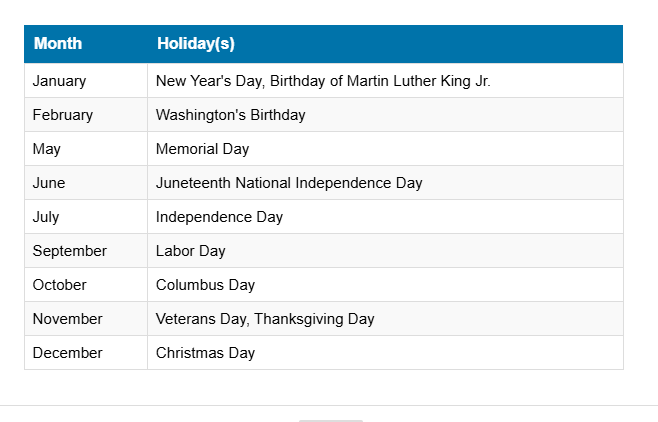
While the U.S. recognizes 11 federal holidays, most companies provide time off for only 6 to 11 of them. Typically, only employees working for the federal government are guaranteed all federal holidays. Employees in the private sector are subject to their employer’s specific policies. Unless specified in an employment contract or collective bargaining agreement, employers are not required to pay extra, such as overtime, for working on a federal holiday.
Public holidays vary widely around the world. Cambodia has the highest number of legally recognized non-working days, with 28 holidays per year, followed by Sri Lanka with 25. Be sure to adjust the “Holidays per Year” input to calculate an accurate, adjusted result.
Vacation Days, or Paid Time Off (PTO)
Traditionally in the U.S., vacation days were separate from holidays, sick leave, and personal days. Today, it is more common for these to be combined into a single system called paid time off (PTO). PTO provides a pool of days employees can use for vacation, personal leave, or illness without having to specify the reason. This eliminates the need to label absences as sick days or personal days or to request permission to reclassify a vacation day. However, there are some drawbacks: if an employee falls ill for a week, those five days are deducted from their PTO pool, potentially limiting future vacation plans.
Under the Fair Labor Standards Act (FLSA), U.S. employers are not required to provide any paid or unpaid vacation. For this reason, it’s wise to ask about PTO policies when interviewing for a job. On average, American workers receive about 10 days of PTO per year, while the bottom 25% of earners get only four days. Many employers increase PTO over time as an incentive to retain employees.
Most employers (over 75%) offer PTO or vacation days for several reasons: to prevent burnout, maintain morale, and accommodate personal needs, medical emergencies, or vacations. By comparison, European countries mandate a minimum of 20 vacation days per year, with some EU nations requiring 25–30 days. Other developed countries may offer four to six weeks of vacation or even more annually.
How to Increase Salary
Almost everyone would welcome a higher salary, and there are many strategies to achieve it. While increasing your earnings is easier said than done, it is certainly possible with deliberate planning and effort.
Education – Numerous studies show that higher levels of education are associated with higher lifetime earnings. However, pursuing a formal degree isn’t the only path to increasing your salary. Certifications, professional qualifications, and specialized training can all demonstrate expertise and often require less time and financial investment than a full degree. In addition, staying up-to-date in your field through workshops, conferences, online courses, or self-directed learning can improve your skills and make you more valuable to employers. Even reading industry publications or following trends relevant to your profession can give you a competitive edge and potentially increase your earning potential.
Experience – Long-term experience within a specific industry or profession is another key factor in salary growth. Remaining in a field over time demonstrates commitment, reliability, and the development of practical skills that employers value. Experienced employees are often trusted with greater responsibilities, leadership roles, or complex projects, which can naturally lead to higher pay. In addition, consistent experience signals to employers that you are knowledgeable and capable, making it easier for them to justify raises and promotions.
Networking – Building a professional network is often underestimated but can play a crucial role in increasing salary. Many industries have professional organizations, trade associations, or online networks that connect members with peers and leaders in the field. Networking can expose you to new job opportunities, mentorship, and collaborations that could lead to positions with higher compensation. Attending industry events, joining online communities, and actively maintaining relationships can open doors to roles and employers that value your skill set more highly.
Performance Reviews – Annual performance reviews are an important opportunity to demonstrate your value to your employer. These reviews typically involve a discussion of your achievements over the past year, areas for improvement, and potential future responsibilities. Positive reviews are often followed by raises or promotions. If a review is largely positive but no raise is offered, it may be appropriate to initiate a conversation with your manager about a salary increase. Highlighting specific accomplishments, contributions to company goals, or new responsibilities you have taken on can make a compelling case.
Negotiation – Negotiating your salary is a critical step that should not be overlooked. When requesting a raise, it’s important to present clear evidence of your accomplishments and the value you bring to the organization. This might include meeting or exceeding sales targets, successfully managing projects, or taking on additional responsibilities. Negotiation is equally important when starting a new job, as initial offers are often lower than what an employer is willing to pay. Confidently negotiating at the outset can set the foundation for higher long-term earnings.
Changing Jobs – Sometimes, the most effective way to increase your salary is to change jobs. If your current employer cannot offer advancement or pay increases, seeking a new position may provide better financial growth. Many professionals see a 10% or more increase in salary when moving to a new job, especially if they bring valuable skills, certifications, or specialized experience. Changing employers also provides opportunities to explore new industries, roles, and responsibilities that may align better with your career goals and compensation expectations.
Ultimately, increasing your salary requires a combination of education, experience, networking, performance, negotiation skills, and sometimes strategic career moves. By actively investing in yourself and your professional growth, you can maximize your earning potential and create a career path that is both financially rewarding and personally fulfilling.
Frequently Asked Questions
What’s a paralegal salary?
A paralegal’s salary depends on experience, location, and the type of employer. In the U.S., the average annual salary for a paralegal is around $55,000 to $65,000, but entry-level positions may start closer to $40,000, while experienced paralegals in large law firms or high-cost cities can earn $80,000 or more. Factors such as certifications, specialized skills, and the size of the firm also influence pay.
How to answer salary expectations?
When asked about salary expectations, it’s best to:
- Research industry standards for your role and location.
- Provide a salary range rather than a fixed number.
- Emphasize flexibility, showing willingness to negotiate based on benefits, responsibilities, or growth opportunities.
Example answer:
“Based on my research and experience, I’m looking for a salary in the range of $55,000 to $65,000, but I’m open to discussion depending on the overall benefits and responsibilities.”
What is the definition of salary?
A salary is a fixed, regular payment made by an employer to an employee for performing work, usually expressed as an annual or monthly amount. Unlike hourly wages, salaries are typically paid regardless of the exact number of hours worked.
What are the different types of salary?
Salaries can be categorized into several types:
- Gross Salary – Total pay before deductions.
- Net Salary – Take-home pay after taxes and deductions.
- Basic Salary – Fixed portion before allowances and bonuses.
- Performance-Based Salary – Includes bonuses or incentives based on achievements.
- Hourly Salary – Payment calculated per hour worked.
What is a full salary?
A full salary refers to the complete agreed-upon compensation an employee receives, including all basic pay, allowances, and benefits, without any deductions for absences or unpaid leave.
Why is it called salary?
The term “salary” comes from the Latin word salarium, which originally referred to money given to Roman soldiers to buy salt. Over time, it came to mean regular payment for work.